
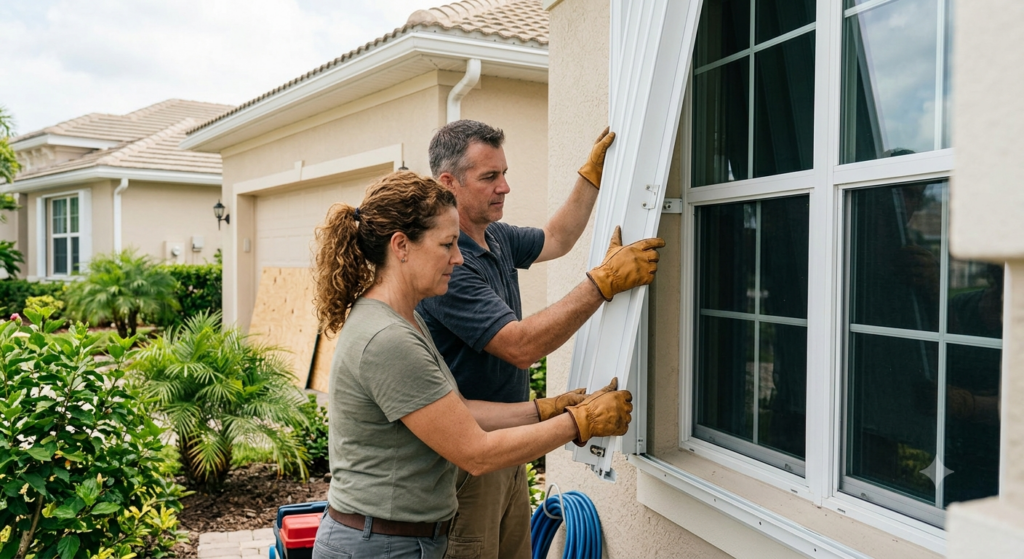
When tropical storms and hurricanes loom in the Atlantic, Florida homeowners race to secure outdoor furniture, stock emergency supplies, and board up windows. But while physical preparations get all the attention, financial readiness often takes a backseat—until a claim is filed.
Every year, homeowners across Florida discover mid-storm that their insurance policies don’t cover what they thought they did. From hidden deductible traps to timing restrictions, missing a critical detail can leave you with thousands in unexpected out-of-pocket expenses.
Before peak storm season arrives, review your policy for these 5 common red flags—and learn how a quick check-up can save you money while keeping your property protected.
Red Flag #1: Confusing “Wind-Driven Rain” with “Storm Surge”
One of the most frequent surprises after a major storm involves the distinction between wind damage and flood damage.
- Covered by Standard Home Insurance: If high winds tear off roof shingles or shatter a window, allowing rain to enter your home, that is typically classified as windstorm damage.
- NOT Covered by Standard Policies: If water rises from the ground, overflows from a nearby lake or canal, or surges in from the coast, that is classified as flooding. Standard homeowners insurance policies explicitly exclude flood damage.
The Fix: Flood insurance isn’t just for homes in high-risk evacuation zones. In Florida, heavy tropical rain downpours can cause localized flash flooding anywhere. Securing a standalone flood policy provides complete protection for both ground water and wind-driven rain. For those not in a flood zone, the costs for flood insurance is usually lower than you think!
Red Flag #2: Not Realizing How Your Hurricane Deductible Is Calculated
Standard insurance claims usually carry a fixed dollar deductible (like $1,000 or $2,500). However, in Florida, hurricane coverage almost always uses a percentage deductible based on your total dwelling limit (Coverage A).
If your home is insured for $350,000 and your policy lists a 5% hurricane deductible, your out-of-pocket obligation before insurance kicks in is:

The Fix: Check your policy’s Declarations Page to confirm your exact hurricane percentage. If a 5% or 10% deductible creates too much financial strain on your emergency savings, ask your agent to quote options for a 1% or 2% deductible.
Red Flag #3: Missing Out on Wind Mitigation Premium Discounts
Florida law mandates that insurance companies offer premium credits for structural improvements that help a home resist strong winds. If you haven’t had a Wind Mitigation Inspection in the last 5 years—or if you’ve recently upgraded your roof—you might be overpaying for coverage.
Inspectors evaluate key structural features, including:
- Roof Geometry: Hip roofs (sloped on all sides) qualify for significant discounts compared to gable roofs.
- Roof-to-Wall Attachment: Secure hurricane straps or clips connecting the roof truss to the walls.
- Opening Protection: Impact-rated windows, garage doors, or certified hurricane shutters on all exterior openings.
The Fix: Schedule a low-cost wind mitigation inspection with a licensed inspector. Submitting an updated inspection report to your insurance agency can instantly lower your annual homeowners premium. Here at Park Insurance, we know top rated home inspectors who will make sure your home has the right wind mitigation credits so you don’t pay for expensive insurance.
Red Flag #4: Waiting Until a Storm Approaches to Update Coverage
When the National Hurricane Center issues a formal Tropical Storm or Hurricane Watch/Warning for any part of Florida, insurance carriers enforce a binding moratorium.
During a moratorium, insurance carriers temporarily freeze policy updates:
- You cannot buy a new homeowners policy.
- You cannot lower your deductible.
- You cannot add or increase coverage limits.
Additionally, National Flood Insurance Program (NFIP) policies carry a mandatory 30-day waiting period before taking effect.
The Fix: Review and finalize your coverage limits well before peak storm activity in August and September. Our agents are here to get you the best coverage all year round.
Red Flag #5: Relying on Market Value Instead of Replacement Cost
Your home’s market value (what it would sell for on the real estate market) includes the value of the land. However, your insurance coverage needs to reflect its Replacement Cost—the actual price of materials and labor required to rebuild the structure from the ground up.
With construction and labor costs fluctuating across Florida, an outdated policy limit might leave you underinsured after a major loss.
The Fix: Request a yearly replacement cost evaluation from an independent agent to ensure your dwelling coverage accurately matches current local rebuilding costs.
Let Us Audit Your Policy Before Storm Season Hits
As an independent Florida insurance agency, we work for you—not the insurance companies. We compare rates across top-rated carriers to help you secure complete protection while maximizing available discounts.
Don’t leave your biggest investment to chance this hurricane season. Contact our team today for a complimentary, no-obligation policy review!
 Get Your Free Florida Home Insurance Review Today!
 Call us directly at 863-250-1424 or email us at AustinPark@Allstate.com to speak with a local licensed agent.